Sri Lanka might be famous for its golden beaches, tropical wildlife and lush green landscapes, but beneath the surface lies another world waiting to be explored. From historic shipwrecks and colourful coral reefs to rocky pinnacles and schools of tropical fish, the island offers a surprisingly varied diving experience.
But with so many destinations being promoted as the best place to dive in Sri Lanka, how do you know where is genuinely worth visiting?
The truth is that there isn’t one destination that suits every diver. Some locations are better known for their shipwrecks, others for their coral reefs, marine life or quieter underwater landscapes. The time of year you visit also plays a huge role in the quality of your experience.
Rather than simply recommending the most popular locations, we’ve put together an honest guide to five of Sri Lanka’s diving destinations: Kalpitiya, Negombo, Unawatuna, Nilaveli and Trincomalee. We’ll explore what makes each place special, what kind of diving you can expect, and how easily you can reach them from Bandaranaike International Airport.
Whether you’re a first-time diver, an experienced wreck enthusiast or a traveller hoping to add a few underwater adventures to your Sri Lankan itinerary, here’s what you should know before deciding where to dive.
1. Kalpitiya – For Remote Reefs and a Different Side of Sri Lanka
Best for: Travellers seeking a quieter coastal experience, reef exploration and marine wildlife.
Location: Northwest coast of Sri Lanka.
Best diving season: Generally November to April, depending on local conditions and the dive site.
Travel time from the international airport: Approximately 3–4 hours by road.
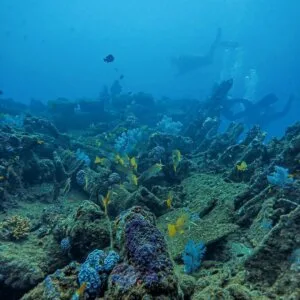
Kalpitiya coral reef and underwater marine life
Kalpitiya is a coastal peninsula in northwestern Sri Lanka. Known for its laid-back atmosphere, fishing communities, lagoon landscapes and dolphin-watching excursions. It’s also home to the Bar Reef, one of the country’s best-known reef systems, located offshore from the Kalpitiya Peninsula.
Unlike the more developed beach destinations in the south, Kalpitiya offers a different pace of travel. It’s a place to slow down, spend time on the water and experience a less commercialised side of the island.
What is the diving like?
The surrounding waters offer opportunities to explore rocky reef formations and coral habitats, with tropical fish and other marine life depending on the site and conditions. The offshore location of some dive sites makes the boat journey part of the adventure.
The Bar Reef is particularly important from an ecological perspective, although its condition and visibility can vary. As with any reef system, the experience you have underwater depends on the season, recent weather and the site selected.
Kalpitiya is also famous for its marine wildlife, especially spinner dolphins. While dolphin watching is a separate experience from scuba diving, it can make a visit especially appealing to travellers who want to explore more of Sri Lanka’s ocean life.
Who should choose diving?
Kalpitiya is worth considering if you enjoy quieter destinations and don’t mind travelling a little further to reach your dive sites. It’s particularly appealing to travellers who want to combine diving with dolphin watching, lagoon activities and a more relaxed coastal escape.
However, if your main priority is exploring several different wrecks or having a wide choice of established dive sites close to a lively beach town, another destination may suit you better.
2. Negombo – A Convenient Stop for Shipwreck Diving
Best for: Travellers interested in wreck diving, particularly those arriving in or departing from Sri Lanka.
Location: West coast, just north of Colombo.
Best diving season: Generally December to April, subject to sea conditions.
Travel time from the international airport: Approximately 15–30 minutes by road.
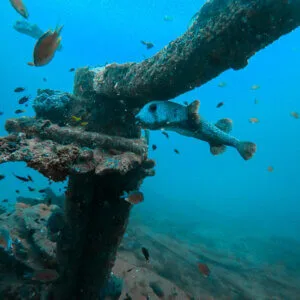
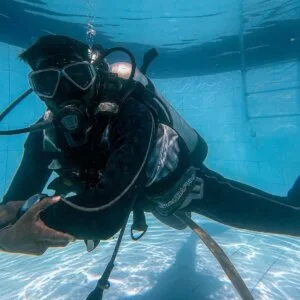
Scuba diver exploring a historic shipwreck off the west coast of Sri Lanka
Negombo is one of Sri Lanka’s most convenient coastal towns to visit after landing at Bandaranaike International Airport. Known for its fishing harbour, lagoon, seafood restaurants and long sandy beach, it’s often used as a first or final stop on a trip around the island.
But beyond its convenience, Negombo is also worth considering for a very different reason: shipwreck diving.
What is the diving like?
The waters around Negombo and the wider western coastline offer access to wrecks and reef sites that can appeal to divers looking for something different from the typical tropical reef experience.
Shipwrecks provide fascinating underwater environments. Over time, submerged structures can become habitats for fish and other marine life, transforming the remains of vessels into artificial reefs.
Wreck diving is not all the same, however. Some sites are suitable for recreational divers with the appropriate training, while others require greater depth experience, specialist skills or more advanced planning. Always check the depth, conditions and certification requirements of a particular wreck before booking.
Visibility can also vary, and wreck diving is not necessarily about crystal-clear blue water. For many divers, the appeal is the atmosphere, history and opportunity to explore a vessel that has become part of the underwater landscape.
Who should choose Negombo?
Negombo makes sense for divers who want to include a wreck dive without travelling far from the airport. It can also be a practical option for those with limited time or who want to split their journey with a night near the coast.
If you’re travelling around Sri Lanka specifically to explore shipwrecks, it’s worth researching the individual sites and comparing them with the wrecks available around other parts of the island.
Negombo may not have the same reputation as some of Sri Lanka’s better-known holiday destinations, but for the right diver, that doesn’t mean it should be overlooked.
3. Unawatuna – A Versatile Diving Destination with Reefs and Shipwrecks
Best for: Divers looking for a combination of reefs, rocky formations, shipwrecks and a lively coastal base.
Location: Southern coast of Sri Lanka, close to the historic city of Galle.
Best diving season: Generally November to April or early May, depending on conditions.
Travel time from the international airport: Approximately 2.5–3.5 hours by road, depending on traffic and your route.
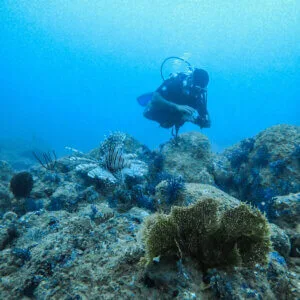
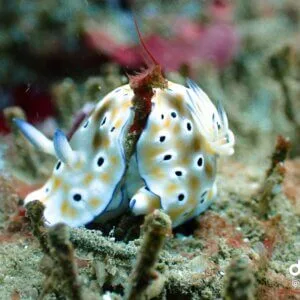
Unawatuna underwater reef with tropical fish and a scuba diver
Unawatuna is one of the south coast’s best-known beach destinations, but its appeal extends well beyond the palm-lined bay and beachside restaurants.
Just offshore lies a varied underwater landscape of rocky reefs, coral formations and historic shipwrecks. For divers, the surrounding area offers a combination of sites that can make it a rewarding base for more than just a single dive trip.
The nearby city of Galle also gives Unawatuna an advantage for travellers who want to combine their time underwater with culture, history, good food and exploring the island.
What is the diving like?
One of Unawatuna’s strengths is its variety. Depending on the site and conditions, divers can explore rocky reef structures, boulder formations, coral-encrusted wrecks and marine habitats populated by tropical fish.
There are three notable shipwrecks in the local diving area, giving wreck enthusiasts another reason to consider the region. These sites offer a different experience from reef diving, with submerged structures that have gradually become home to marine life.
The area also has dive sites at different depths and with different underwater features, making it possible to select dives according to a diver’s experience, interests and the day’s conditions.
Another feature of Unawatuna is its naturally curved bay and surrounding reef structures. These can offer more sheltered options at certain sites and times than exposed stretches of coastline. When the weather or sea conditions are less favourable elsewhere, local knowledge can help identify whether a suitable dive is possible.
However, no reef or bay is guaranteed to be safe in bad weather. Conditions can change quickly, and responsible dive operators will assess the sea, currents, visibility and entry and exit points before deciding whether to proceed.
Unawatuna’s Three Shipwrecks: From Beginner Dives to Deeper Wreck Exploration
One of Unawatuna’s biggest attractions for divers is the variety of shipwrecks found in the surrounding waters. With three notable wrecks offering different depths and experiences, there are opportunities for divers with different levels of experience to explore Sri Lanka’s underwater history.
Rangoon Wreck – Maximum depth 32 metres – Advanced Open Water divers
SS Orestes Wreck – Minimum 16 metres to Maximum 25m – AOWD & Open Water Divers
Lord Nelson Wreck – A shallow wreck for beginners – Maximum 9 metres – Beginners
Together, these three wrecks give Unawatuna a particularly appealing range of underwater experiences, from a shallow introduction to wreck diving through to deeper exploration for qualified divers. As always, the final choice of site depends on sea conditions, visibility, the diver’s certification and experience, and the dive professional’s assessment on the day.
Who should choose Unawatuna?
Unawatuna is a strong option for travellers who want variety both underwater and on land. You can spend the morning exploring a reef or wreck and the afternoon wandering through Galle Fort, visiting nearby beaches or enjoying the local food scene.
It’s also a useful base for divers who want to make several dives over a few days rather than travel between different coastal destinations.
If you are looking for a place where you can combine varied diving with a well-established tourism scene, Unawatuna deserves serious consideration.
For anyone visiting the south coast, we’d recommend looking beyond the beach itself and exploring what lies beneath the water.
4. Nilaveli – Clear Water, Coral Reefs and Island Scenery
Best for: Reef diving, snorkelling and travellers who love quiet beaches and clear water in the right season.
Location: Northeast coast, north of Trincomalee.
Best diving season: Generally May to September or October, depending on conditions.
Travel time from the international airport: Approximately 5–6.5 hours by road.
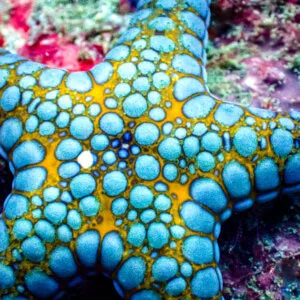
Nilaveli turquoise sea and Pigeon Island coral reef
Nilaveli is a peaceful coastal destination near Trincomalee, known for its wide sandy beach, turquoise water and relaxed atmosphere. During the eastern coast’s diving season, it can be an excellent choice for travellers hoping to experience a different side of Sri Lanka’s underwater world.
One of its biggest attractions is Pigeon Island National Park, located a short boat ride offshore. The protected marine environment is well known for its coral formations and snorkelling opportunities.
What is the diving like?
Nilaveli and the surrounding Trincomalee region offer access to reef environments where divers can encounter tropical reef fish, coral formations and other marine life.
The appeal here is particularly strong when the east coast is in season, as sea conditions can become favourable for exploring the area’s underwater landscapes.
Pigeon Island is especially famous for snorkelling, but anyone considering scuba diving should check which activities are permitted, which sites are suitable and what arrangements are available through authorised local operators. The marine park’s protected status also makes responsible diving and avoiding contact with the reef especially important.
It’s worth remembering that beautiful turquoise water from the beach doesn’t guarantee the same visibility at every dive site. Conditions offshore can differ, and visibility changes throughout the season.
Who should choose Nilaveli?
Nilaveli is ideal for travellers who want a quieter beach holiday with opportunities for marine exploration. It works particularly well for those visiting Sri Lanka’s east coast during its main season and wanting to combine time on the beach with boat trips, snorkelling and diving.
If you enjoy a slower pace and prefer a destination where the beach and surrounding natural scenery are a big part of the experience, Nilaveli is well worth considering.
5. Trincomalee – East Coast Diving, Marine Life and Underwater History
Best for: Divers visiting Sri Lanka during the east coast season, with interests ranging from reefs to historical wrecks.
Location: Northeast coast of Sri Lanka.
Best diving season: Generally May to September or October, depending on conditions and the site.
Travel time from the international airport: Approximately 5–6.5 hours by road.
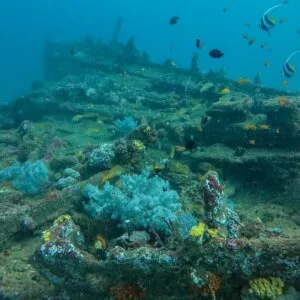
Trincomalee underwater reef with schools of tropical fish
Trincomalee is a historic coastal city built around one of the world’s great natural harbours. It’s a destination with a character of its own, combining local fishing life, temples, beautiful beaches and a long maritime history.
For divers, its location on the northeast coast makes it an important alternative to the south and west coast destinations, particularly when the seasons change.
What is the diving like?
The wider Trincomalee region offers reef sites and opportunities to explore underwater history. Depending on the location, divers may encounter rocky formations, coral communities, schools of fish and wrecks associated with the area’s maritime and wartime past.
Some wrecks in the wider eastern region are deep and challenging, so it’s important not to assume that every site is suitable for recreational divers. The depth, current, access and certification requirements need to be checked before planning a dive.
The nearby beaches and islands also make this region appealing to travellers who want to mix scuba diving with snorkelling, boat trips and time spent exploring the coastline.
As with Nilaveli, the best experience is usually found by timing your visit around the east coast’s main season. Outside that period, rougher seas and reduced visibility may limit access to certain sites.
Who should choose Trincomalee?
Trincomalee is a great destination for divers who want to explore Sri Lanka’s east coast and combine underwater adventures with culture, history and nature.
It’s particularly worth considering between late spring and early autumn, when the eastern side of the island generally offers more favourable diving conditions than the south coast.
For travellers with more time, Trincomalee and Nilaveli can be combined into one trip rather than treated as completely separate diving destinations.
So, which really is the best place to dive in Sri Lanka?
The honest answer is that it depends on what you want from your diving holiday.
If you’re looking for shipwrecks, Negombo and Unawatuna are both worth investigating. Maybe, you prefer a combination of reefs, wrecks and a lively beach destination, Unawatuna has plenty to offer. Or, if you’re travelling during the east coast season and want to explore coral reefs and marine environments around the northeast, Nilaveli and Trincomalee are strong options. And if you prefer a quieter destination with offshore reef exploration, Kalpitiya deserves a place on your itinerary.
The time of year you visit should be one of your first considerations. Sri Lanka’s south and west coasts generally have their main diving season from around November to April, while the east coast tends to be at its best from around May to September or October. These are broad seasonal patterns rather than guarantees, so always check current local conditions before making plans.
It’s also worth considering how much time you have. If you’re only in Sri Lanka for a few days, travelling across the island for one dive may not be worthwhile. Choosing a destination that fits naturally into your route can make for a much more relaxed trip.
Ultimately, the best dive destination isn’t necessarily the one that gets mentioned most often online. It’s the one that offers the kind of underwater experience you’re looking for, at the right time of year, with a dive team that puts safety and responsible diving first.
Planning a dive trip to Sri Lanka?
At Sun Diving Centre in Unawatuna, we believe the best dive trip starts with choosing the right sites for your experience, interests and the conditions on the day.
Whether you’re a beginner hoping to discover scuba diving for the first time or an experienced diver looking to explore reefs and shipwrecks, our team can help you understand what’s available in the local area and plan your dives accordingly.
Unawatuna is also a fantastic base for exploring the south coast, with Galle Fort, nearby beaches, local restaurants and plenty to discover between dives.
If you’re planning a trip to Sri Lanka and would like to know more about diving in Unawatuna, get in touch with Sun Diving Centre. We’d be happy to help you find the right underwater experience for your visit.